The ASRU does not stop the suffering. It permits it.
ASRU is part of the Home Office. It grants licences, requires harm-benefit paperwork and the 3Rs — replace, reduce, refine — and polices compliance.
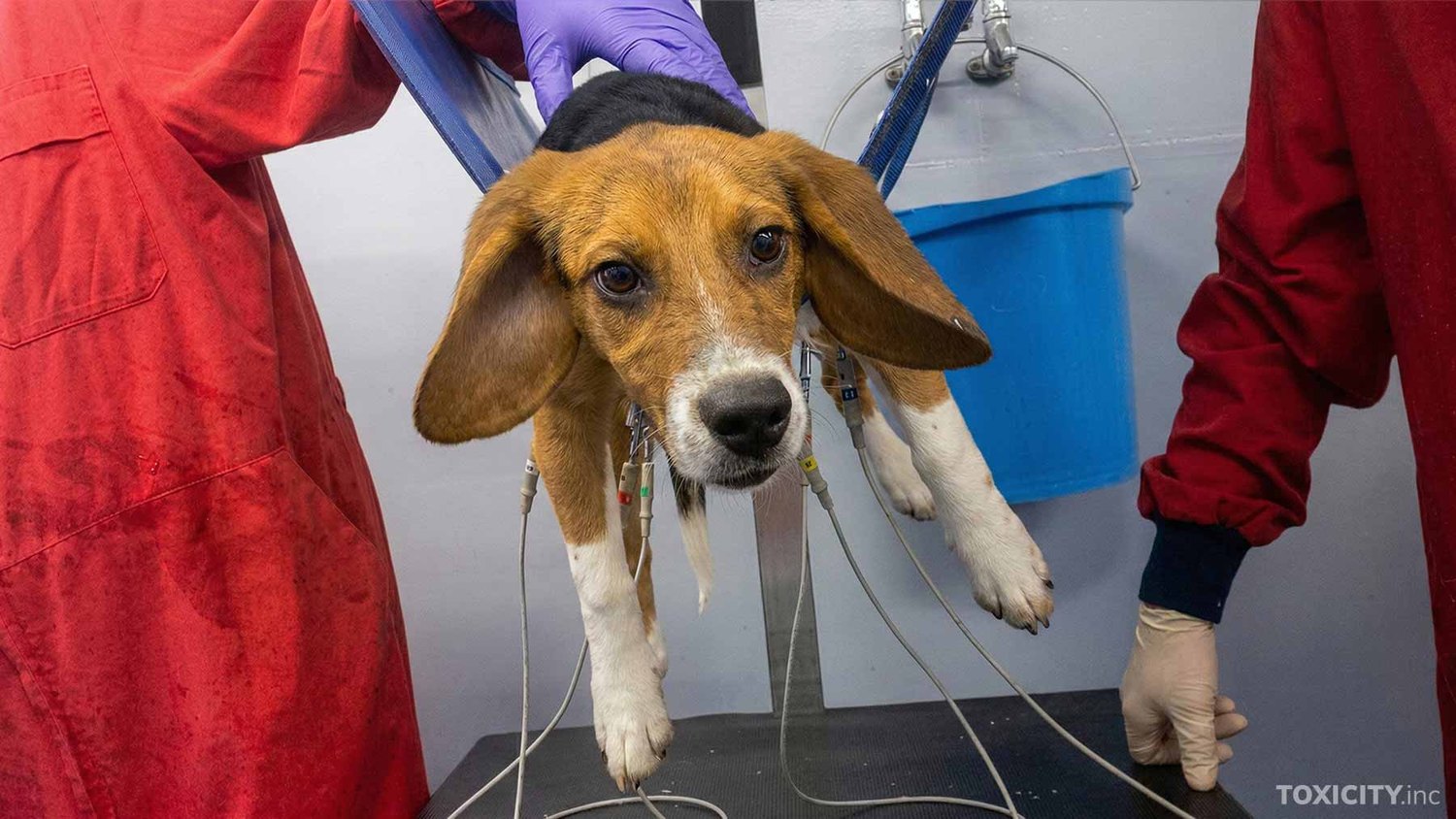
But this is the uncomfortable truth: the dog experiments documented on this site did not happen outside the system. They were approved inside it. ASRU does not end the cruelty. It regulates it.
Limited audits, rare enforcement
In 2024, 2.64 million scientific procedures were carried out on living animals in Great Britain, while ASRU audited 68 licensed establishments, only 10 of them were not announced beforehand. ASRU itself says the audit is “not primarily an enforcement activity” but a “monitoring and educational activity.” Of the 146 confirmed non-compliance cases closed in 2024, only 4 were identified during an audit, and 110 cases resulted only in inspector advice as the sole remedy.
ASRU’s records do not reassure us. They reveal the suffering the system permits.
Why this page matters
Licences
ASRU manages the permissions that allow animals to be bred, supplied and used in experiments under ASPA.
Light consequences
When rules are broken, ASRU’s own records show responses often amount to advice or reprimand rather than prosecution.
Self-reporting
Most breaches come to light because laboratories report themselves. That means official numbers are likely to be under reporting the reality.
This page criticises a system, not individual inspectors. The question is whether any regulator should be licensing dogs into this kind of suffering at all.
What the law really tells us
Animal testing in Britain is regulated under the Animals (Scientific Procedures) Act 1986, often called ASPA. It is sometimes presented as reassurance. But regulation is not the same as kindness.
ASPA regulates procedures on protected animals for scientific or educational purposes where those procedures may cause pain, suffering, distress or lasting harm. It also regulates the breeding and supply of certain animals for regulated procedures, and the methods used to kill protected animals.
In plain language
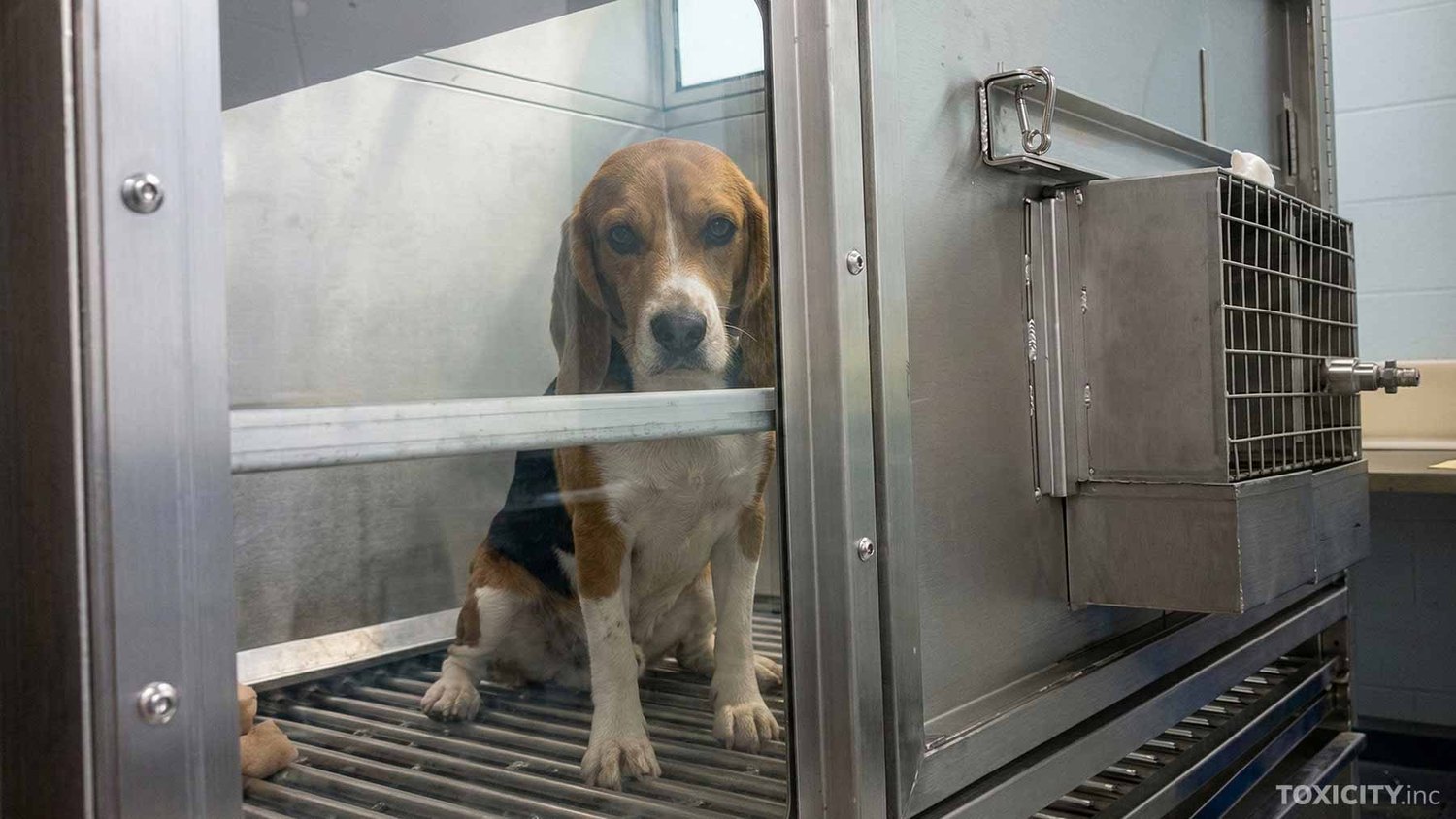
The law does not stop suffering
It sets rules for when suffering may be authorised.
The system starts before the lab
The law also covers breeding and supplying animals for use in procedures.
Dogs are recorded as individuals
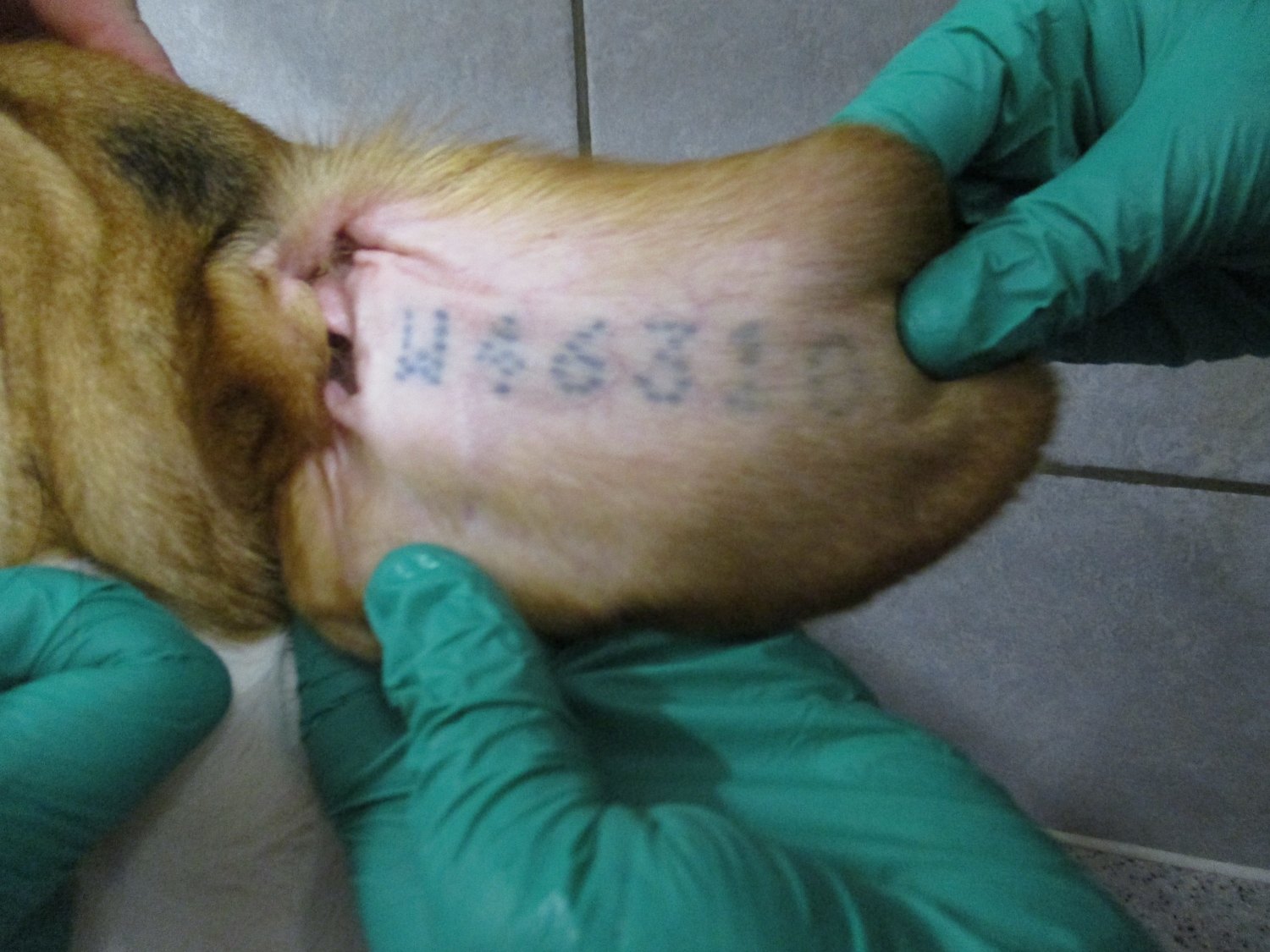
Dogs must have individual history files, including identity, birth details if known, veterinary and social information, and records of project use.
Regulation is not kindness
A controlled system can still be a system that permits avoidable suffering.
Dogs are individual lives
Government ASPA guidance requires individual history files for cats, dogs and primates. For dogs, those files can include the animal’s identity, place and date of birth if known, whether the animal was bred for use in procedures, veterinary and social information, and a record of the programmes of work involving the animal’s use.
The law recognises dogs as individuals with histories. Yet those same dogs can still be bred, supplied, used and killed for experiments.
Ongoing patterns, not isolated incidents
Large beagle testing programmes appear repeatedly
Large pharmaceutical and toxicology programmes appear across multiple years, including 2017, 2018, 2020, 2022, 2023 and 2025. The scale changes, but the pattern keeps returning.
It is not only about cures
The records include pesticides, cleaning products, food additives, industrial chemicals, agricultural chemicals, devices and biological products. Many dogs were not being treated. They were being used as tools or sources of material.
Death is often hidden behind soft language
Official severity labels do not count the killing of the dog at the end of a study. That is why this site refuses to treat “mild” as a moral comfort when the dog is ultimately killed.
Regulation can normalise cruelty
A licence can make suffering legal. It cannot make it kind. The central question is not only whether the rules were followed, but whether dogs should ever be bred into this system at all.